

Ireland 2026
Ireland 2026

International Conference on the Protection of Humanitarian Aid Workers

Where: Albert Hall, Chaussée de Wavre 649, Brussels, Belgium
When: 15-16 October 2026

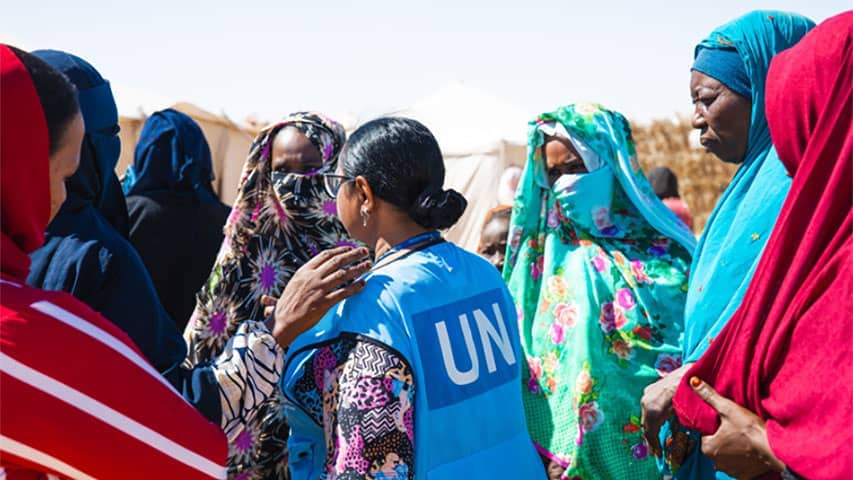
Photo: © IFRC, 2013. Courtesy of the IFRC.

Welcome

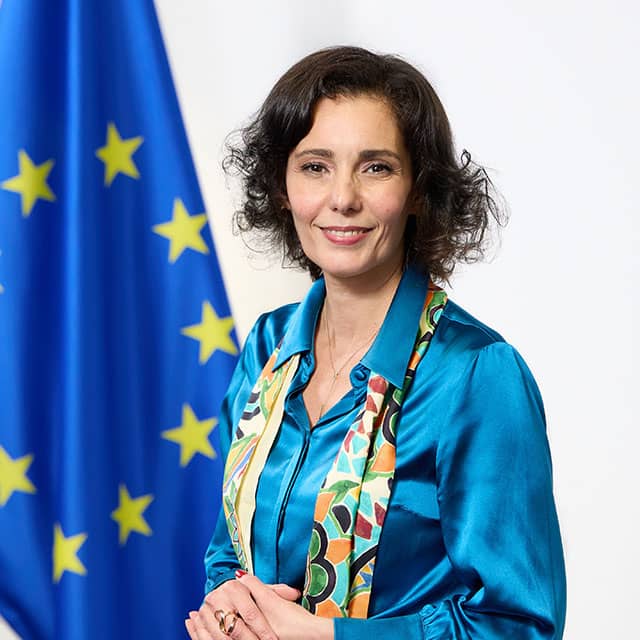
Hadja Lahbib, European Commissioner for Preparedness, Crisis Management and Equality
Hadja Lahbib European Commissioner for Preparedness, Crisis Management and Equality
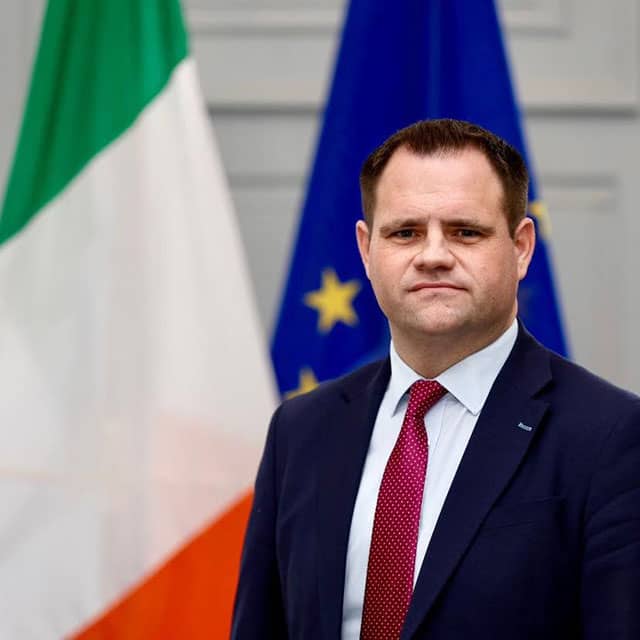
Neale Richmond, Minister of State for International Development and Diaspora, Ireland
Neale Richmond Minister of State for International Development and Diaspora, Ireland

Humanitarian workers are the beating heart of humanitarian action.

Every day, they bring assistance, protection and hope to people impacted by conflict, disaster and crisis. They work in some of the most complex and insecure environments, often at great personal risk, driven by a commitment to helping people in need in their own communities and beyond.

Their courage, expertise and dedication are what make it possible to save lives and to restore dignity, shelter and livelihoods. Without local, national and international aid workers and volunteers, there is simply no humanitarian assistance.

Yet, humanitarians are increasingly the targets of attacks. 2025 was the worst year on record for security and safety incidents affecting aid workers. 1,187 aid workers were killed, injured, kidnapped or detained. This is unacceptable.

Every attack on a clinic, every convoy that cannot pass, every worker who is threatened, detained or killed is an attack on the communities depending on assistance. It is also an attack on our common values, and long-accepted humanitarian principles and norms.

Concern without action will not provide the safety and security on which humanitarian action depends.

This is why Ireland, during its Presidency of the Council of the European Union, and the European Commission are joining forces to host an International Conference on the Protection of Aid Workers. The Conference will be an opportunity to learn from humanitarians and ensure that their experiences shape our collective response.

We want this to be a conference of concrete and pragmatic steps as much as of solidarity, and of solutions as much as testimony. That cannot be done by frontline responders alone. We all have a role to play, starting with listening to aid workers and ensuring they have the tools, support, and protection needed to carry out their work safely.

We come with more than good intentions. The EU's Protect Aid Workers (PAW) programme — announced in the Joint Communication on Humanitarian Action in May 2026 — will become a permanent and global mechanism — a lasting support rather than an emergency measure.

This Conference is an opportunity for collective action to reverse the alarming trends and to ensure that the commitment and determination of aid workers and volunteers are met with meaningful protection mechanisms, accountability, and decisive political action.


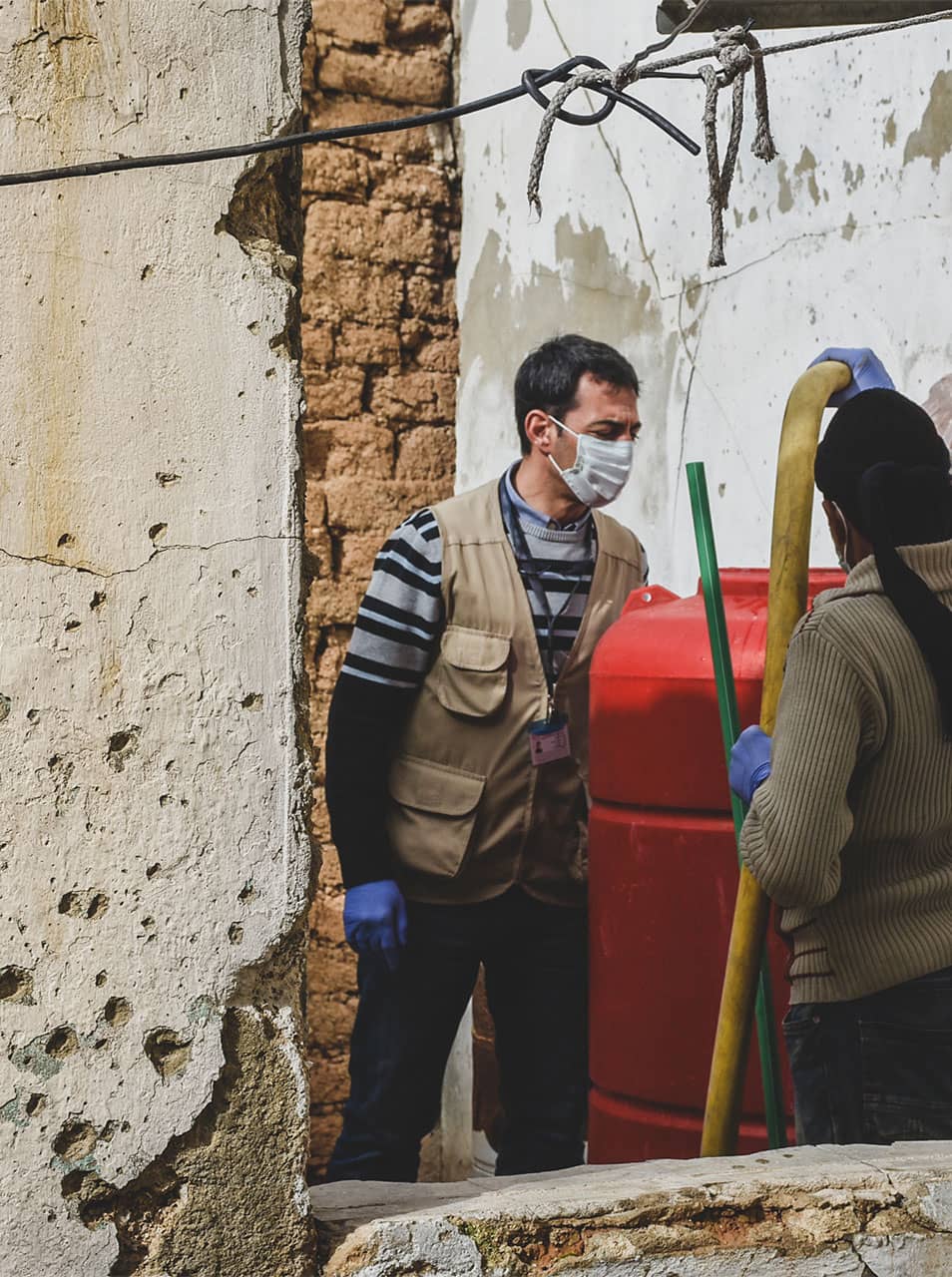
Shelter and Infrastructure Officers supervise a safe-water operation in Eastern Ghouta, Rural Damascus, Syria

About the event

Humanitarian workers serve as a lifeline for communities devastated by conflict, disasters and other emergencies.

Despite their critical role, they face alarming levels of violence, as well as persistent security, safety and access challenges. In 2025, 1,187 aid workers were killed, injured, kidnapped, or arbitrarily detained. The vast majority — 97% — of aid workers killed, injured or abducted in 2025 were national staff. Local and national aid workers continue to bear the brunt of these attacks. Such violations not only endanger their lives and well-being but also severely obstruct the delivery of critical aid to those most in need.

In response, Ireland, during its Presidency of the Council of the European Union, together with the European Union, will host an International Conference on the Protection of Humanitarian Aid Workers on 15–16 October 2026 in Brussels, Belgium.

The International Conference will be a key moment to reaffirm commitment to the protection of humanitarian personnel, bringing together governments, humanitarian organisations, frontline responders and international partners. It will centre local aid workers, including survivors of attacks, providing space to share best practices, foster peer support networks and advance practical solutions.

Why Protect Aid Workers?

Humanitarian workers deliver life-saving assistance in some of the world's most dangerous environments. As global needs continue to rise, protecting those on the front line has never been more critical.

M+

people need humanitarian assistance

+

countries where humanitarian organisations operate

+

armed conflicts are taking place worldwide

%

of those needing humanitarian assistance are children

In 2025

aid workers were killed, injured, kidnapped, or detained in major security incidents worldwide — a record number of attacks on humanitarian personnel.

~ Aid Worker Security Report 2026

Provisional Agenda

Time
Albert Hall
Chaplin
Paramount
Universal
08:00–09:30
Registration and coffee Roseland Room
09:30–11:00
FRAME 1 · Opening ceremony Protecting Aid Workers: A Shared International Responsibility
Broadcast Watch opening ceremony livestream Watch on YouTube
11:00–12:30
FRAME 2 Protecting Civilians and Humanitarians in High-Risk and Sensitive Contexts: Bridging the Gap between Law and Reality
Broadcast Livestream
12:30–14:00
Break Lunch break Roseland Room
SUPPORT 1 From Victims to Advocates: Building a Global Community of Survivors
14:00–15:30
ADDRESS 1 Countering the Threats of Disinformation, Defamation Campaigns and the Criminalisation of Humanitarian Actors
ENGAGE 1 Eastern Africa
STRENGTHEN 1 When an Incident Happens: Managing the First 72 Hours
ENGAGE 2 Asia
15:30–16:00
Coffee break Roseland Room
16:00–17:30
ADDRESS 2 Protecting Health Workers and Medical Services in Armed Conflicts
STRENGTHEN 2 New Security Threats in Modern Warfare: Preparing Humanitarian Organisations for an Evolving Risk Landscape
17:30 onwards
Networking Cocktail Roseland Room

Resources Library

Action contre la Faim, HI, Médecins du Monde, Norwegian Refugee Council and Insecurity Insight

HOPES : Humanitarian Opportunities: Protect, Engage and Stand for.

~ Action contre la Faim, HI, Médecins du Monde, Norwegian Refugee Council, Insecurity Insight

View details →
ActionAid Eastern Europe and FTI Consulting

PRISM - Protection through Risk-informed and Integrated Security Monitoring

~ ActionAid Eastern Europe and FTI Consulting

View details →
African Women and Youth Action for Development (AWYAD)

AWYAD’s Community-Embedded Duty of Care

~ African Women and Youth Action for Development (AWYAD)

View details →
Caritas Ukraine

Protecting Those Who Help: Caritas Ukraine’s Integrated Approach to Humanitarian Worker Safety

~ Caritas Ukraine

View details →
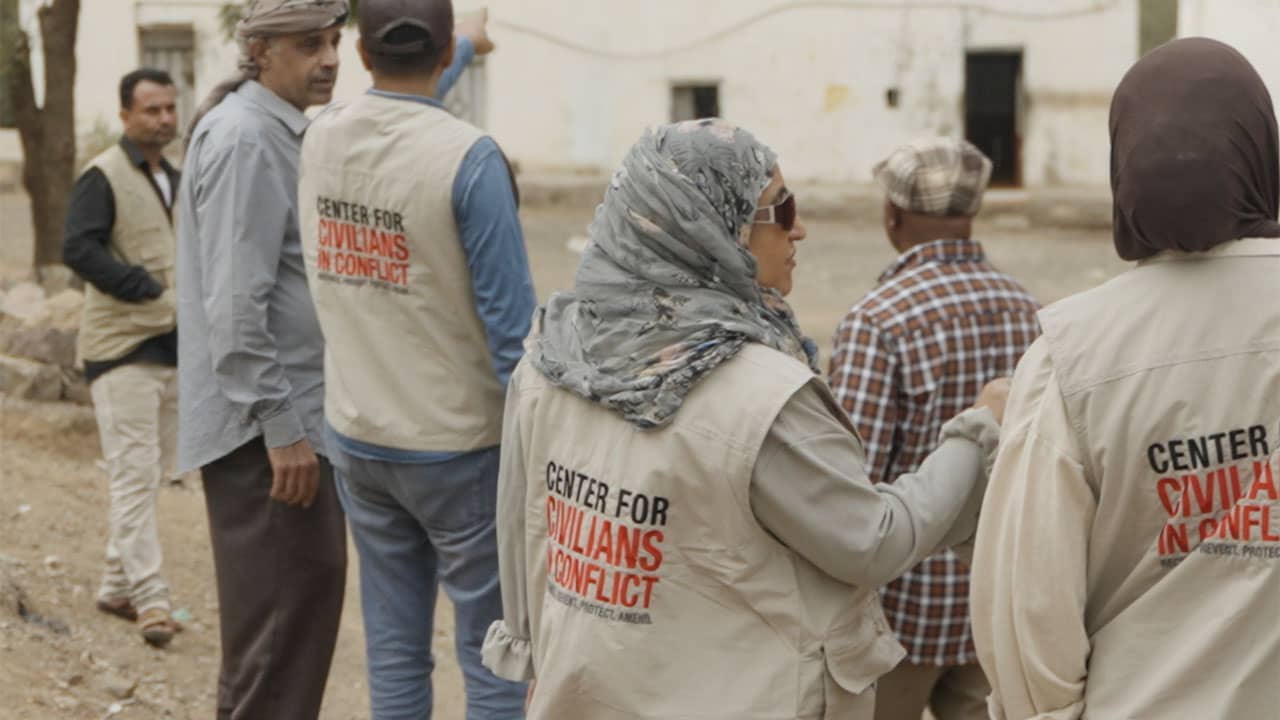
Center for Civilians in Conflict (CIVIC)

Prevention First: Protecting Humanitarian Personnel by Changing the Conduct of Armed Actors

~ Center for Civilians in Conflict (CIVIC)

View details →
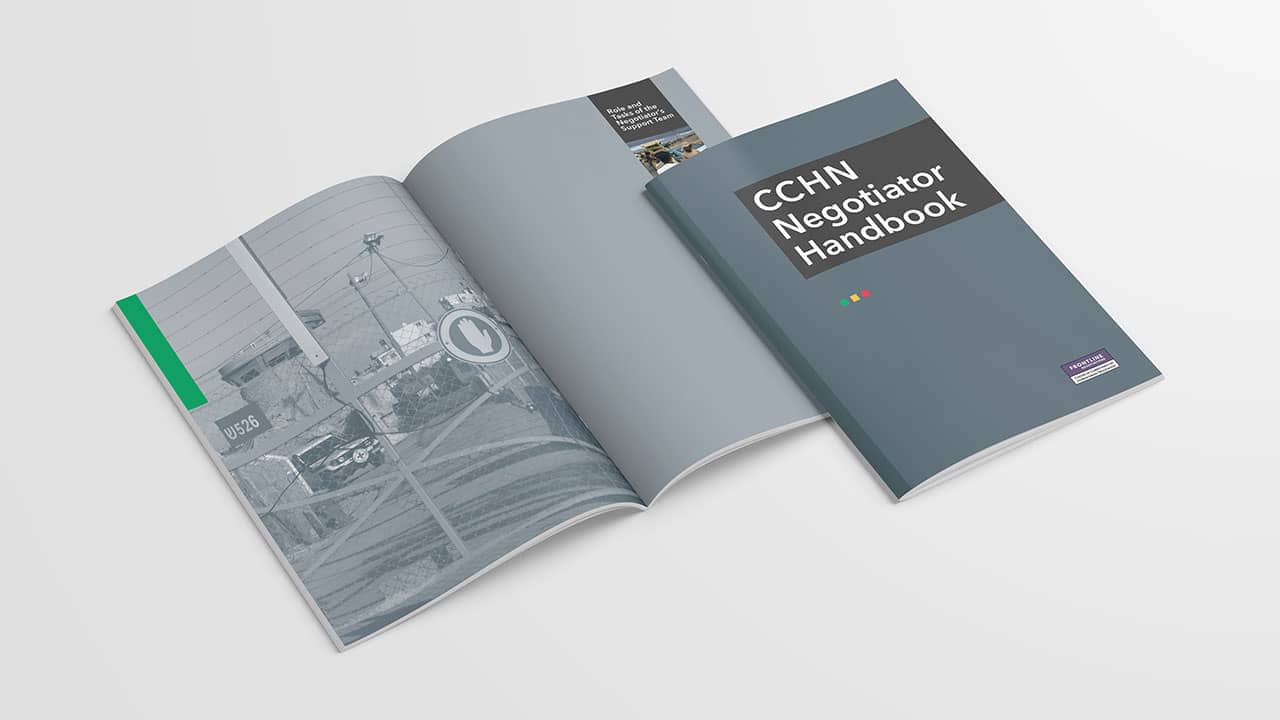
Centre of Competence on Humanitarian Negotiations (CCHN)

Negotiating for Protection of aid workers: Building systemic, field-driven negotiation capacity to protect humanitarian aid workers.

~ Centre of Competence on Humanitarian Negotiations (CCHN)

View details →
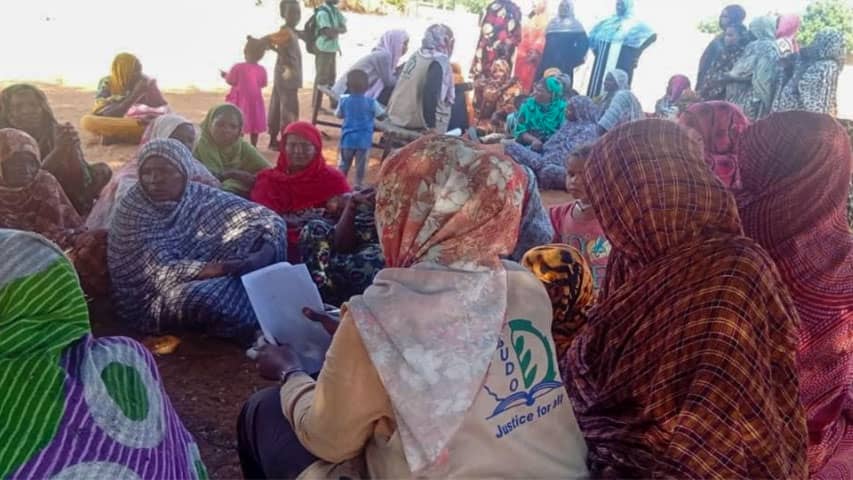
DanChurch Aid (DCA) and Sudan Social Development Organization (SUDO)

Supporting Mutual Aid Volunteers Facing Protection Violations in Sudan

~ DanChurch Aid (DCA) and Sudan Social Development Organization (SUDO)

View details →
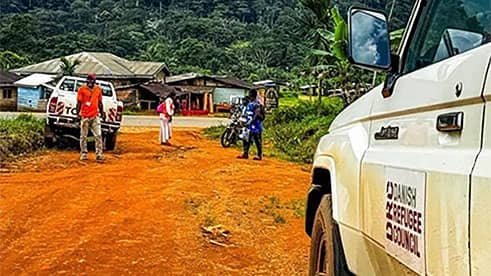
Danish Refugee Council

Protecting Those Who Reach the Unreachable

~ Danish Refugee Council

View details →
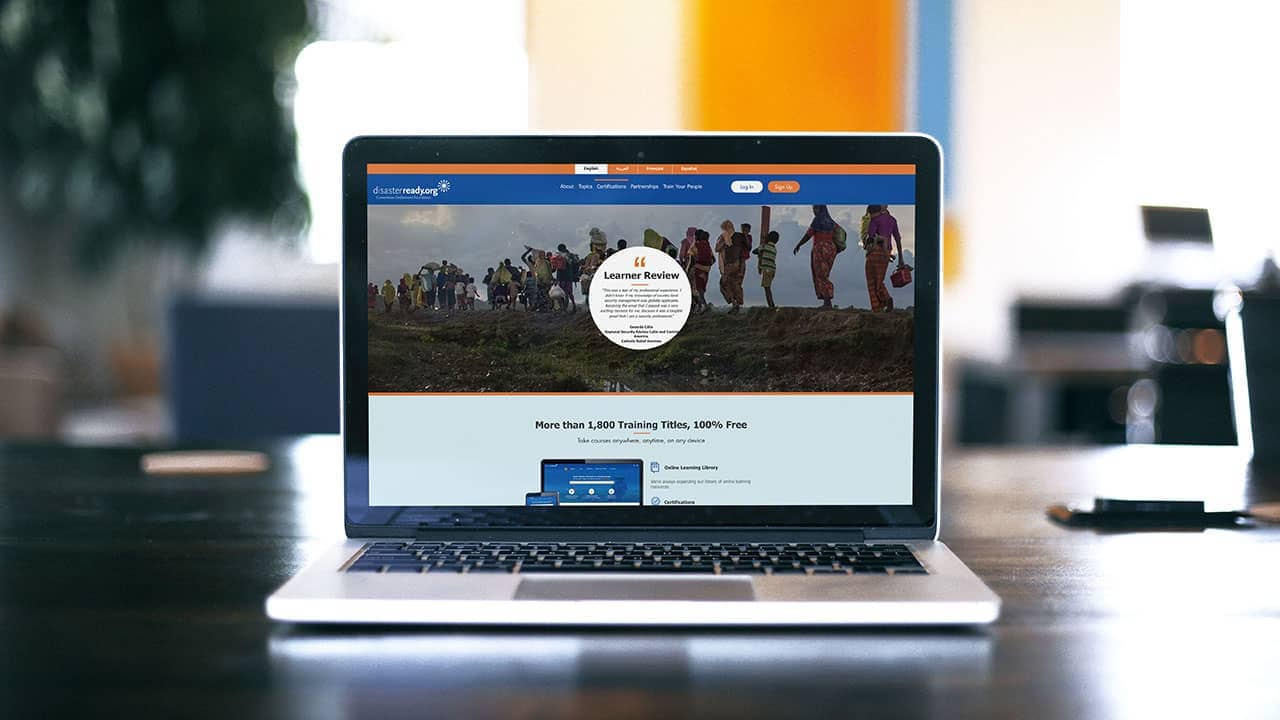
Disaster Ready

Strengthening NGO Security Risk Management Through Professional Certification

~ Disaster Ready

View details →
Endam Home of Hope

Protection in Practice: When the Helper Needs Protection

~ Endam Home of Hope

View details →
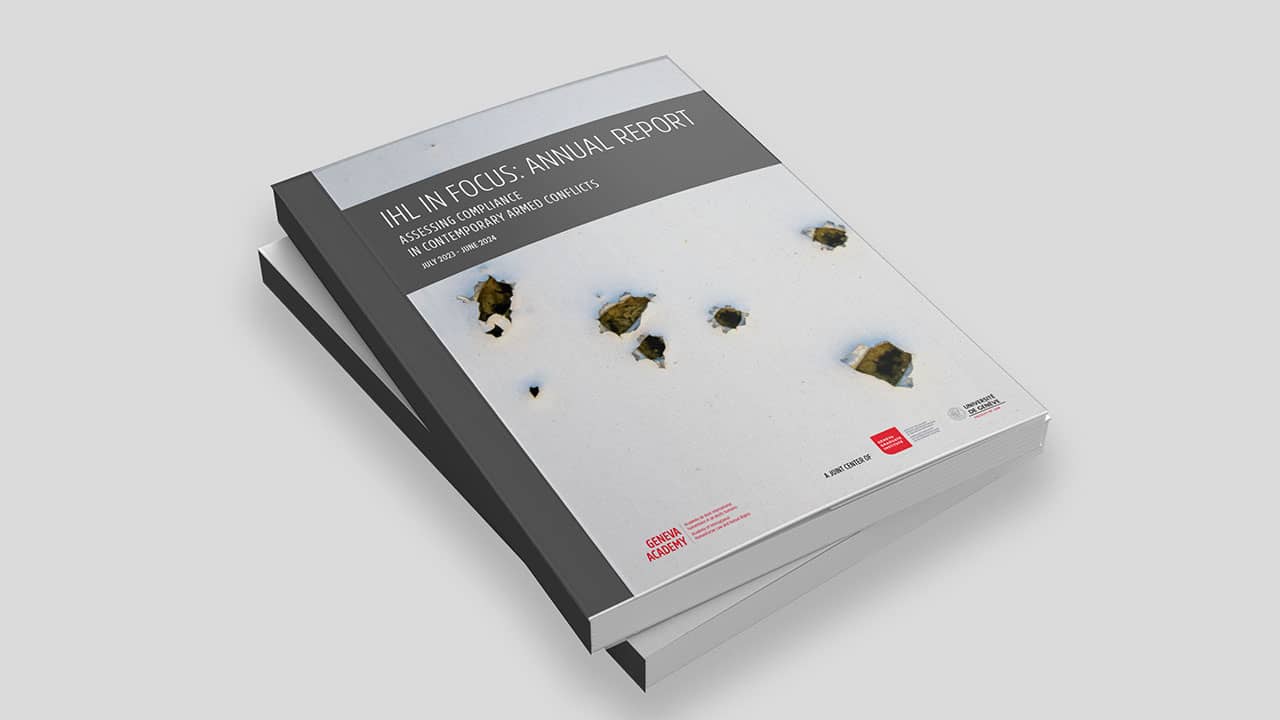
Geneva Academy of International Humanitarian Law and Human Rights, IHL Centre, Insecurity Insight, Oxfam

IHL in Focus

~ Geneva Academy of International Humanitarian Law and Human Rights, IHL Centre, Insecurity Insight, Oxfam

View details →
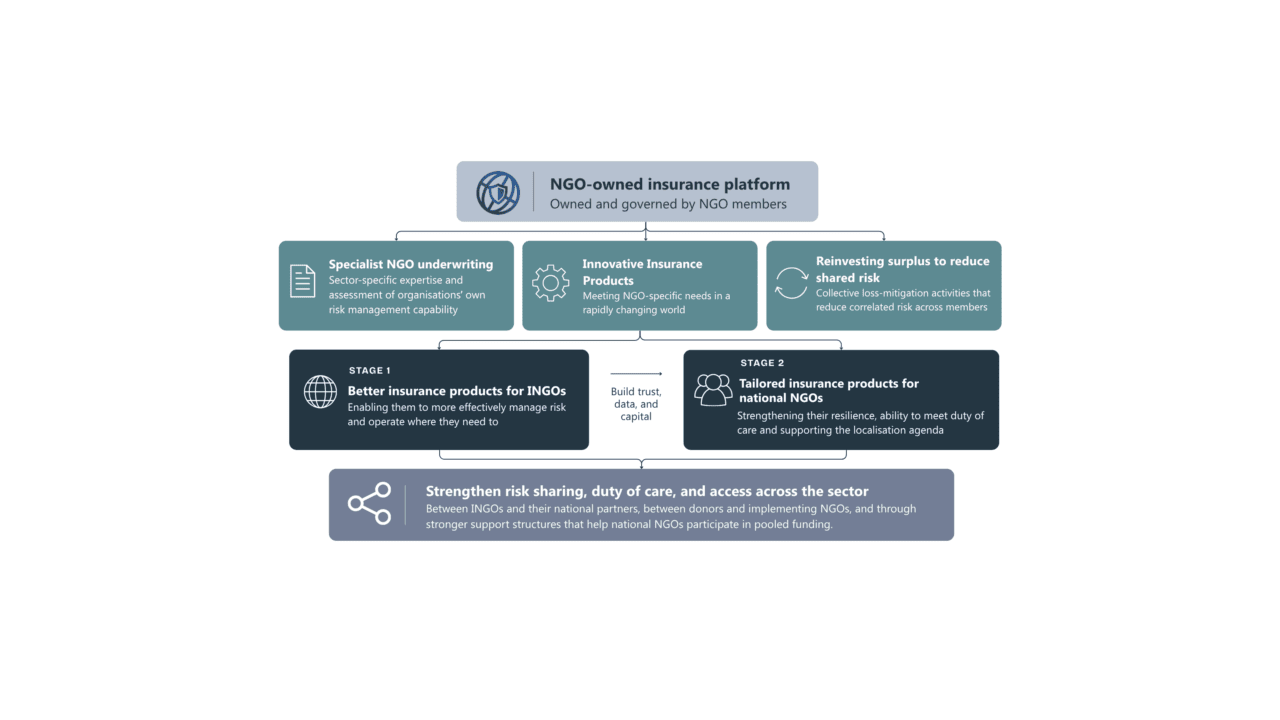
Global Interagency Security Forum (GISF)

Developing an NGO-Owned Mutual Insurance Mechanism

~ Global Interagency Security Forum (GISF)

View details →
Human Initiative

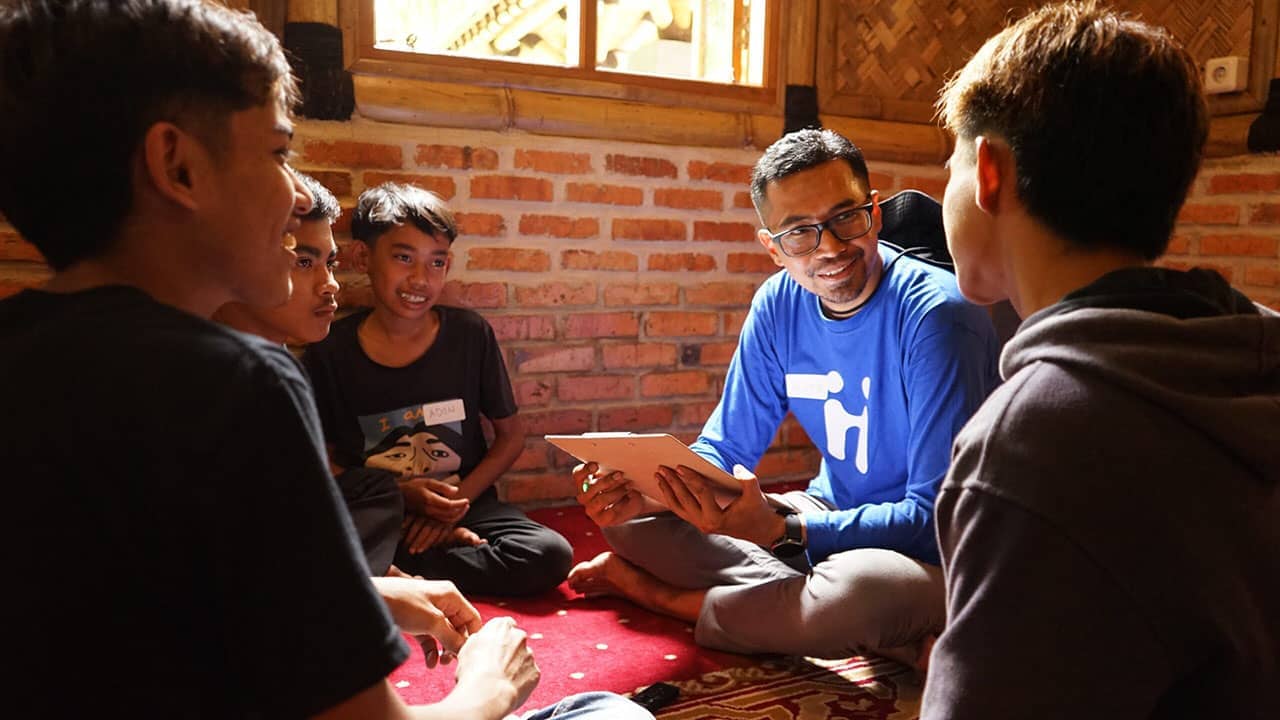
Operationalizing Protection: Lessons Learned and Good Practices in Humanitarian Worker Security Protocols

~ Human Initiative

View details →
INSO

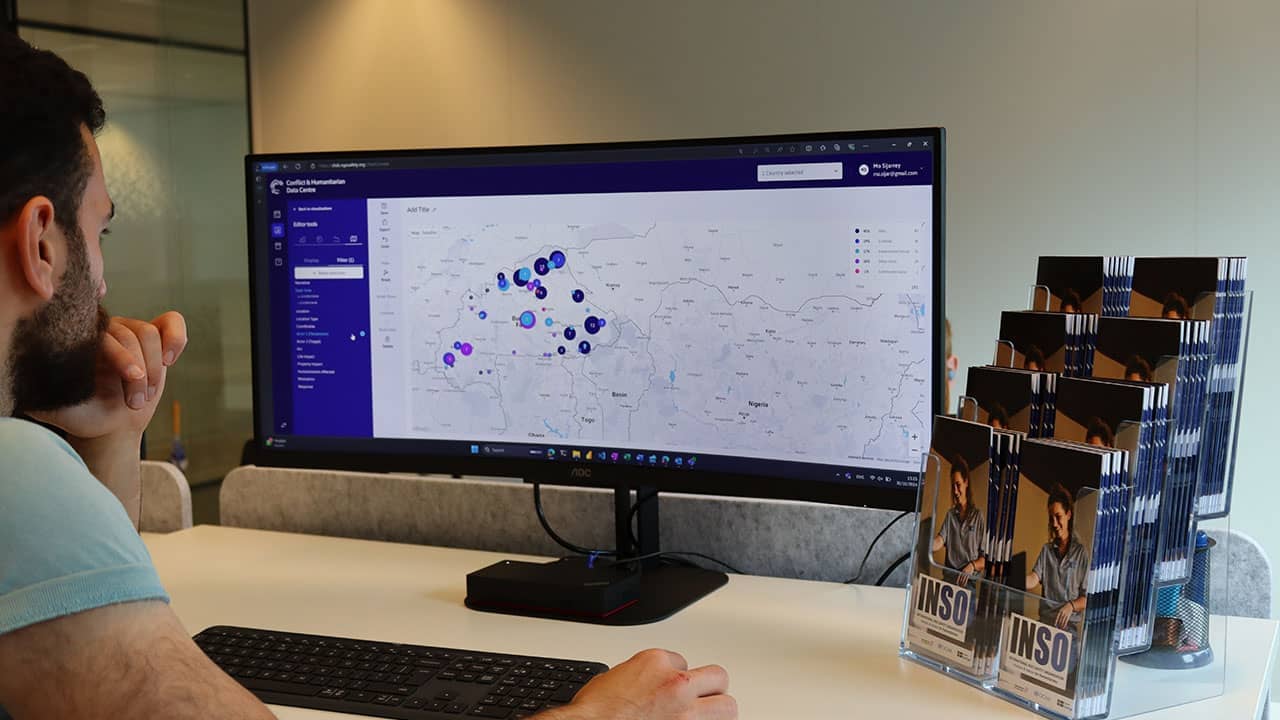
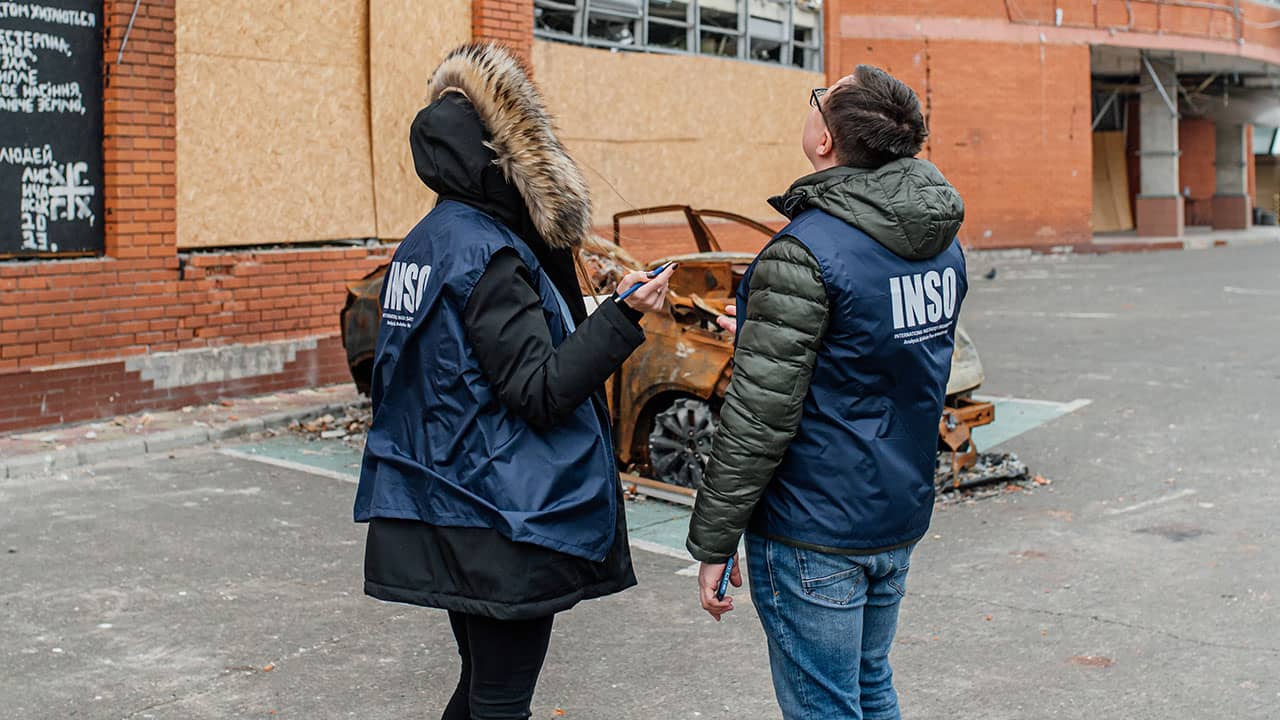
Strengthening NGO Security Coordination in response to Rapid Onset Emergencies and Natural Hazards

~ INSO

View details →
INSO

NGO Security Management Massive Open Online Course

~ INSO

View details →
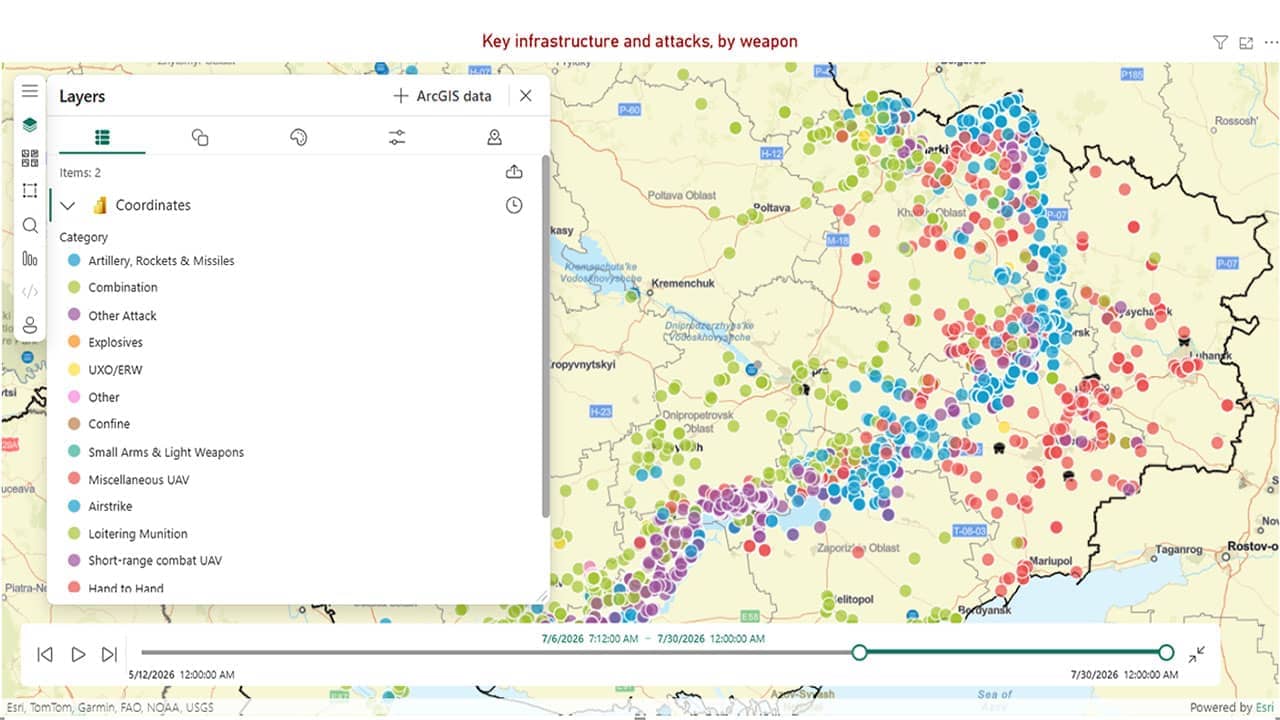
International Network on Explosive Weapons (INEW), Insecurity Insight, and Armed Conflict Location & Event Data Project (ACLED)

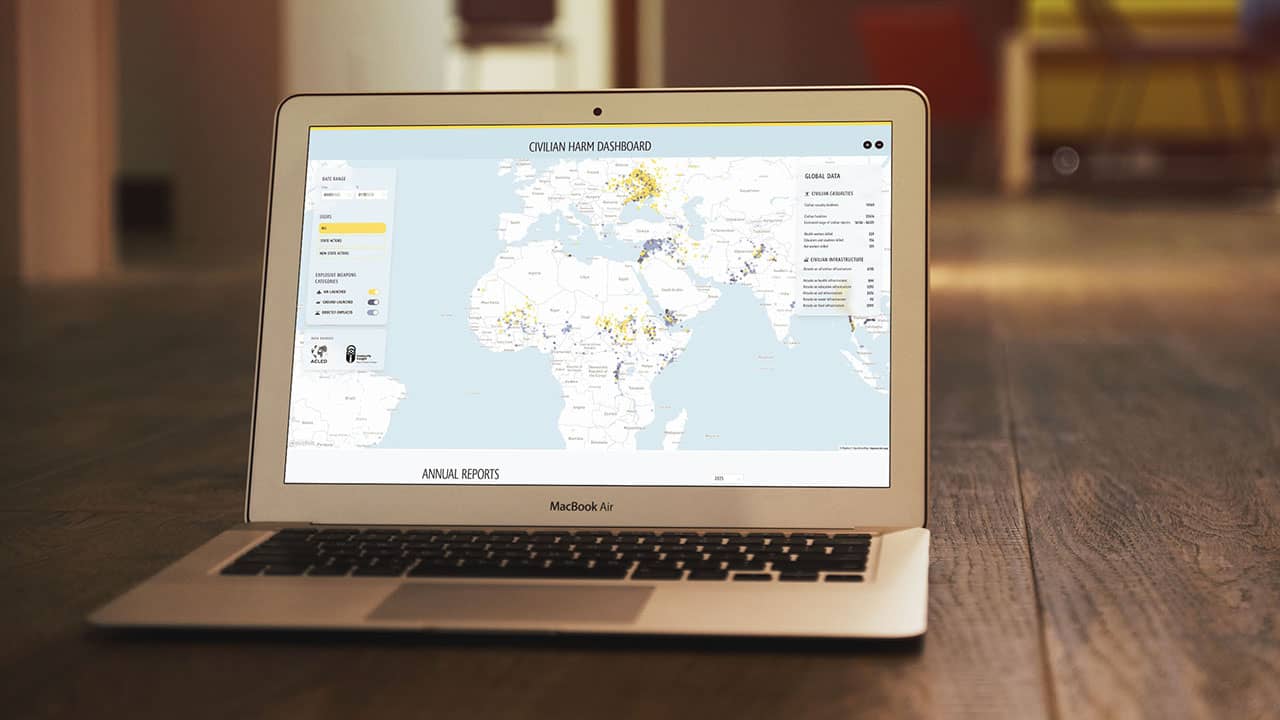
Explosive Weapons Monitor: annual report and Civilian Harm Dashboard

~ International Network on Explosive Weapons (INEW), Insecurity Insight, and Armed Conflict Location & Event Data Project (ACLED)

View details →
International Rescue Committee (IRC)

READI program (Risk Education & Awareness Development Induction) 

~ International Rescue Committee (IRC)

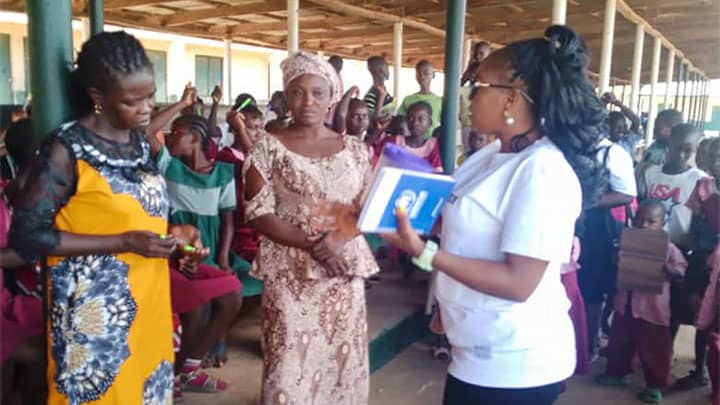
INTERSOS

PARTAGE (Promoting Access to Resources, Training, and Advocacy for Grassroot organisations Empowerment on Security Risk Management and equitable risk-sharing)

~ INTERSOS

View details →
Legal Action Worldwide

Justice for Aid Workers: A Lawyers and Investigators Network

~ Legal Action Worldwide

View details →
LM International

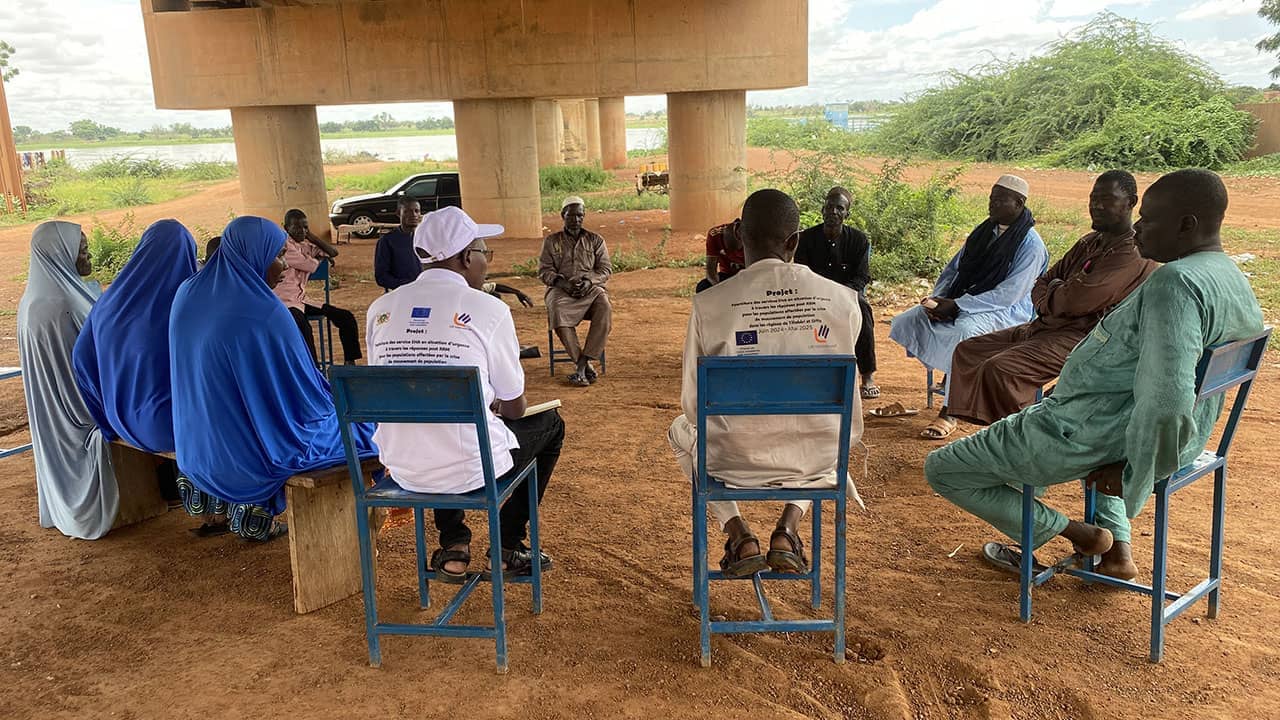
Strengthening Duty of Care and Collective Security in Niger

~ LM International

View details →
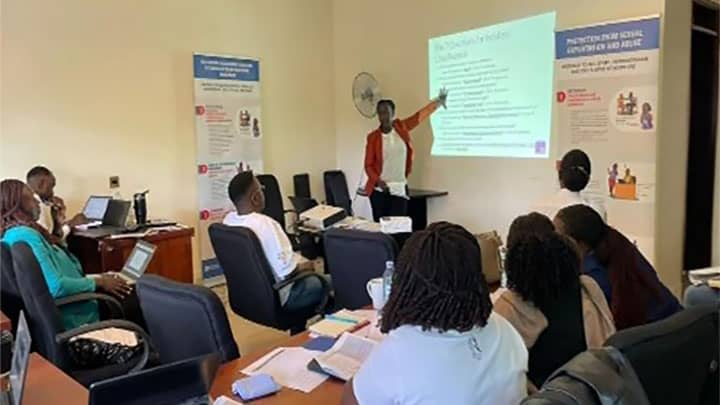
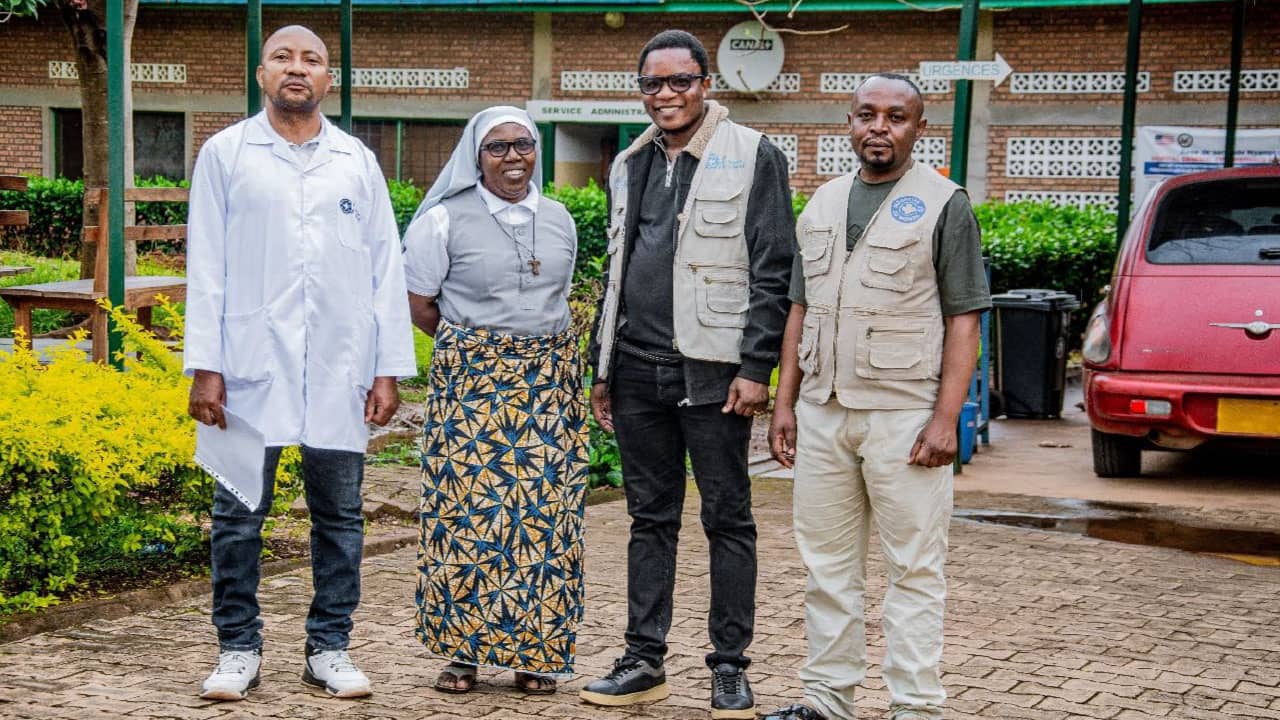
Strengthening the provision of and access to mental health, psychosocial well-being, and legal protection for humanitarian and development workers in eastern Democratic Republic of the Congo (DRC).

Strengthening the provision of and access to mental health, psychosocial well-being, and legal protection for humanitarian and development workers in eastern Democratic Republic of the Congo (DRC).

~ Médecins du Monde Belgique, Centre d’Excellence Denis Mukwege, Protect Humanitarians, Université de Liège

OHCHR

Strengthening the protection and empowerment of local responders in Sudan

~ OHCHR

View details →
PIN Approach to Duty of Care in Partnerships

PIN Approach to Duty of Care in Partnerships

~ People in Need

View details →
Learning from Incidents: need for mandatory reporting and independent review of serious harm to aid workers

Learning from Incidents: need for mandatory reporting and independent review of serious harm to aid workers

~ Proper Support

View details →
ProtectDefenders.eu

ProtectDefenders.eu

~ Protect Defenders

View details →
Protect Humanitarians and INSO

From Principle to Practice: Strengthening Duty of Care for Humanitarian Workers

~ Protect Humanitarians and INSO

View details →
RedR Australia

SPACE initiative

~ RedR Australia

View details →
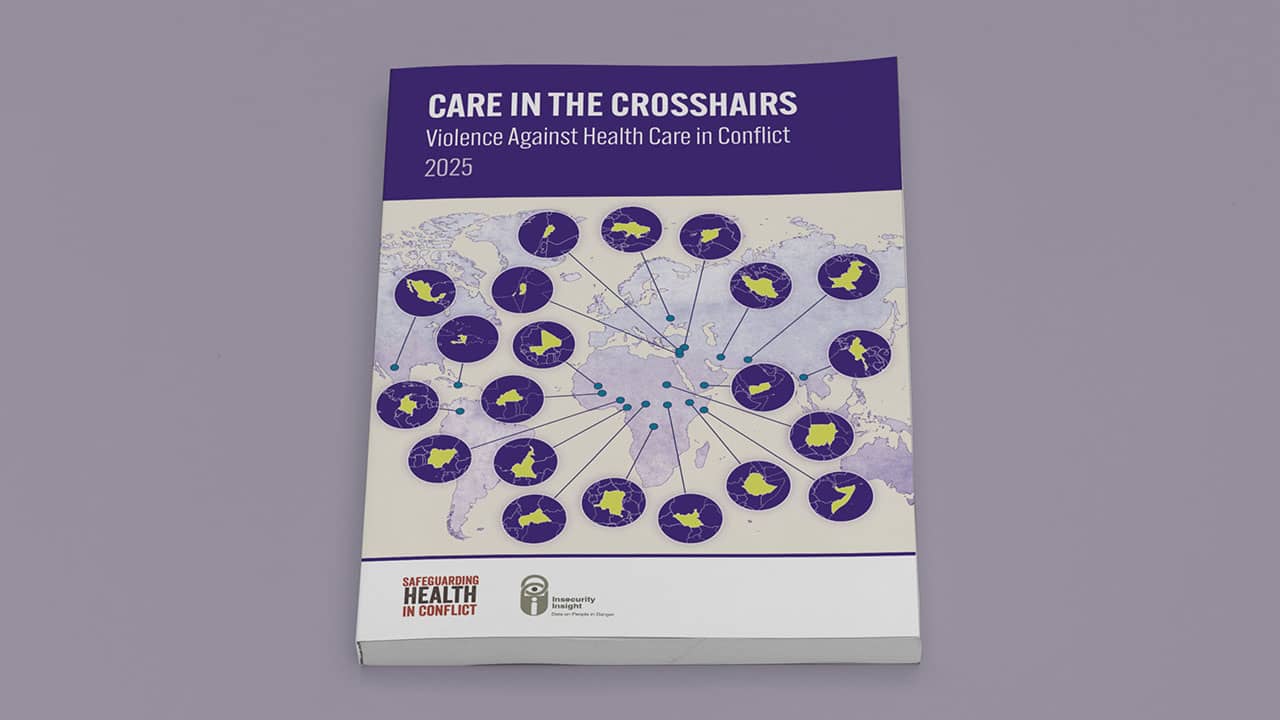
Safeguarding Health in Conflict

Safeguarding Health in Conflict: Coalition-Led Monitoring, Advocacy and Accountability for Attacks on Health Care

~ Safeguarding Health in Conflict Coalition (SHCC)

View details →
Save the Children, Norwegian Refugee Council (NRC), Danish Refugee Council (DRC) and Plan International.

Under attack: strengthening security analysis and risk management for local partners to ensure safe aid delivery.

~ Save the Children, Norwegian Refugee Council (NRC), Danish Refugee Council (DRC) and Plan International.

View details →
Swiss Agency for Development (SDC) and Cooperation and Relief Coordination Center (RCC)

Volunteer Insurance Programme

~ Swiss Agency for Development (SDC) and Cooperation and Relief Coordination Center (RCC)

View details →
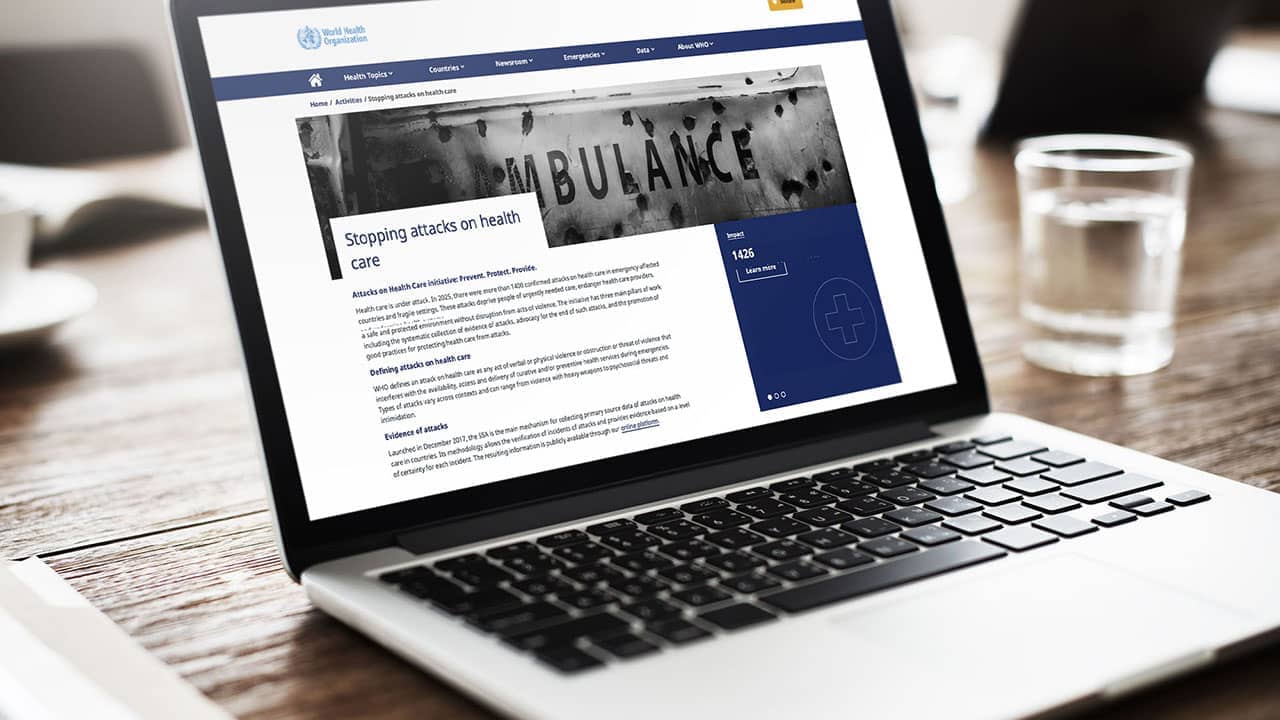
World Health Organization

Attacks on Health Care Initiative

~ WHO

View details →
World Vision

Faster, Safer: Equipment as a Protection Measure for First Responders in the West Bank

~ World Vision International / World Vision Germany, Palestinian Civil Defence

View details →

Frequently Asked Questions

How do I register?

Registration is by invitation only. Invitees can register here.

When and where is the conference taking place?

The conference will take place on 15–16 October 2026 at Albert Hall, Chaussée de Wavre 649, 1040 Brussels, Belgium.

Who should attend?

The conference is intended for representatives of governments, national and international non-governmental organisations, UN humanitarian organisations, donors, frontline humanitarian responders, researchers and other stakeholders committed to strengthening the protection of humanitarian aid workers.

How do I get to the venue?

Albert Hall is located in the European Quarter of Brussels and is easily accessible by public transport.

  • Metro: Merode (Lines 1 & 5) is within walking distance.
  • Train: Brussels-Luxembourg and Brussels-Schuman stations are both nearby.
  • From Brussels Airport: Approximately 20–30 minutes by train or taxi.
  • Taxi/Rideshare: Available throughout Brussels.

What are the conference's main objectives?

The first specifically dedicated to the protection of aid workers, the conference will raise voices from the field, reinforce IHL compliance, and openly address the issues of accountability and impunity. It will serve as a platform to collectively strengthen humanitarian diplomacy, to reaffirm international commitment to the protection of humanitarian personnel as part of a broader pushback against the erosion of IHL, to share and launch projects, and to foster a sense of community and constituency.

Will sessions be public?

No, sessions are by invitation only.

Will there be a livestream or virtual participation option?

No.

Will there be interpretation available, and in which languages?

Interpretation will be available in Arabic, French and Spanish.

Will the conference be open to the press?

Yes, you can contact conference@protectaidworkers.org

What is the "Protect Aid Workers" (PAW) initiative and how does it relate to this conference?

PAW is a rapid-response mechanism established in response to the widening gap between the risks faced by humanitarian workers and the support available to them following a critical incident. Funded by the European Commission and led by a group of NGOs, the mechanism aims to strengthen protection and assistance for aid workers who have experienced security incidents, are under immediate threat of harm, or face arrest, detention, or legal proceedings linked to their humanitarian work.

PAW operates through three complementary pillars: direct support to aid workers and organisations affected by critical incidents, capacity strengthening for duty of care and incident management, and advocacy to promote stronger protection systems for humanitarian staff.

www.protectaidworkers.org

Player Icon